TAIL-LESS KNOTTER
Tail-less Knotter Technology: Improving Bale Quality and Reducing Twine Waste
In modern baling operations, efficiency and bale consistency are becoming increasingly important. One innovation that has attracted attention in the agricultural machinery industry is the tail-less knotter, a knotting system designed to create secure knots while minimizing or eliminating loose twine tails after the tying process.
Traditional knotters often leave short twine ends attached to each completed knot. Although these tails are usually small, they can accumulate over thousands of bales, leading to additional twine consumption and increased residue in fields, storage areas, or livestock operations.
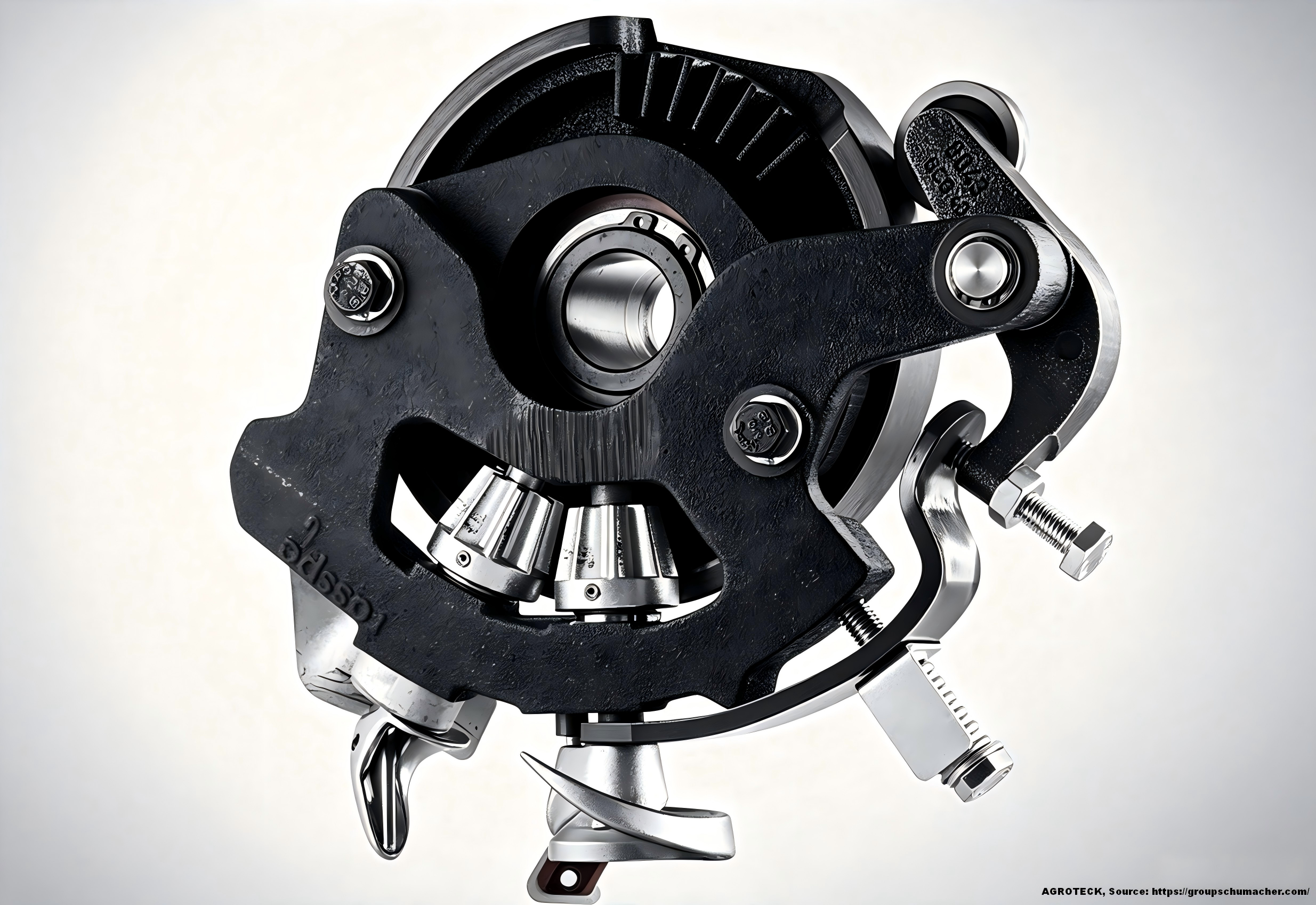
A tail-less knotter addresses this issue through an optimized knot-forming mechanism. By precisely controlling the twine during the tying cycle, the system produces a clean and reliable knot without leaving unnecessary twine tails. The result is a more efficient use of twine and a cleaner finished bale.
Key Advantages of Tail-less Knotter Systems
Reduced Twine Consumption
Even a small reduction in twine usage per bale can generate significant savings over an entire harvesting season. For large-scale baling contractors and commercial farms, improved twine efficiency helps lower operating costs.
Cleaner Bales
Without excess twine tails protruding from the knot, finished bales have a neater appearance and are easier to handle, stack, transport, and store.
Lower Material Waste
Minimizing loose twine residue contributes to better field cleanliness and supports sustainable farming practices by reducing unnecessary material waste.
Reliable Knot Formation
Modern tail-less knotter designs are engineered to maintain strong knot integrity under demanding field conditions, ensuring dependable bale tying performance throughout the harvest season.
Growing Adoption in High-Performance Baling Equipment
As baling technology continues to evolve, manufacturers and operators are increasingly focused on maximizing productivity while reducing operating expenses. Tail-less knotter systems represent one example of how mechanical innovations can improve overall baler performance without requiring major changes to harvesting practices.
For agricultural contractors handling thousands of bales each year, even small improvements in knotting efficiency can translate into measurable benefits in productivity, material savings, and bale quality.
Supporting Reliable Knotter Performance
Regardless of knotter design, regular inspection and maintenance of key components—including billhooks, twine discs, knives, rollers, springs, and related wear parts—remain essential for achieving consistent tying performance. Proper maintenance helps reduce missed knots, minimize downtime, and extend the service life of the knotting system.
As the agricultural industry continues to seek greater efficiency and sustainability, tail-less knotter technology is expected to play an increasingly important role in the next generation of baling equipment.