
BALER TWINE MARKET 2026
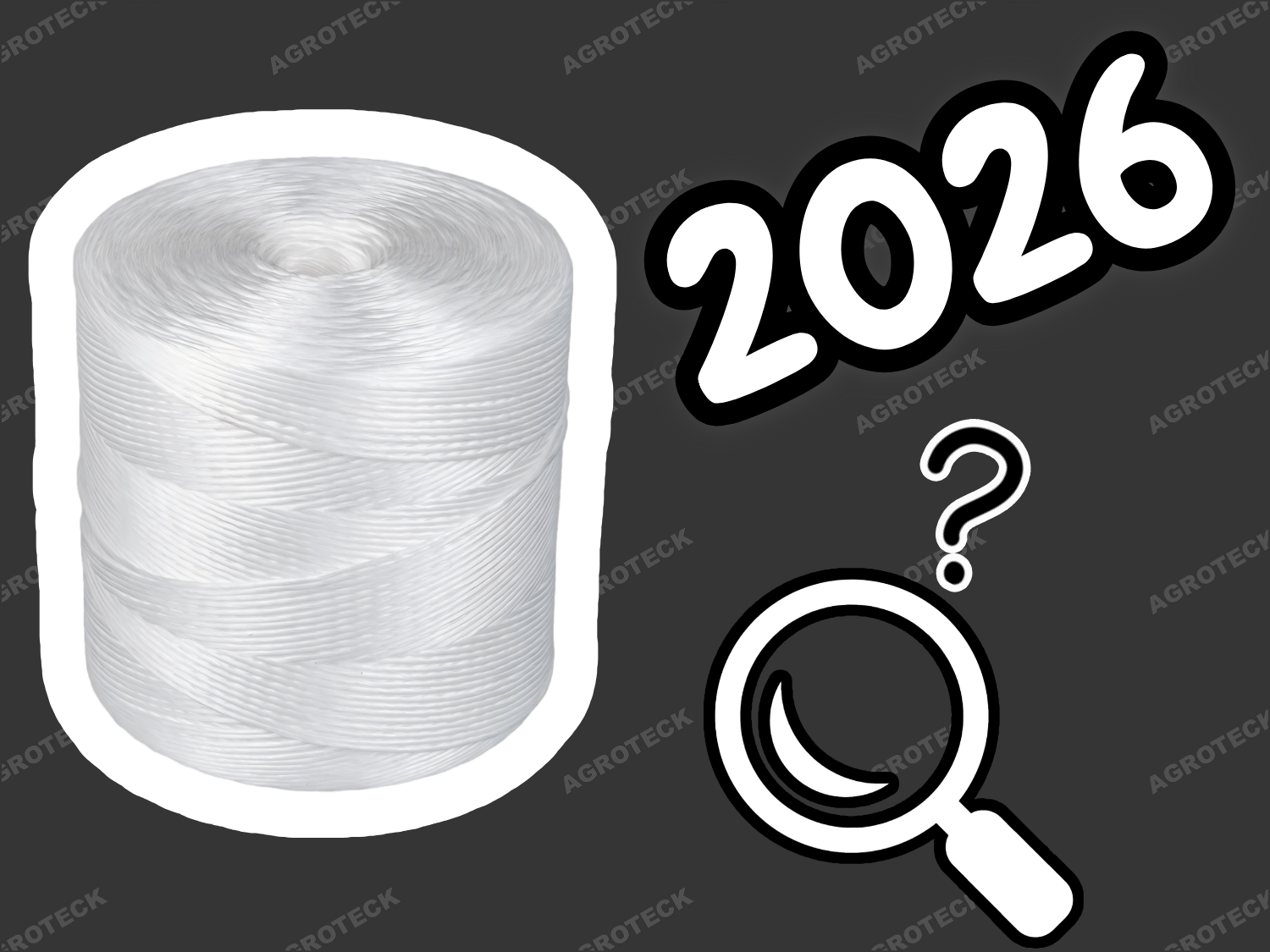
Global Baling Twine Market Update 2026: Cost Pressures, Supply Challenges, and Future Outlook
As agricultural operations around the world prepare for another demanding harvest season, the baling twine industry is facing a period of increasing cost pressure and market uncertainty. From rising energy prices to geopolitical tensions and global logistics challenges, multiple factors are influencing the production and pricing of agricultural baling twine.
For farmers, contractors, distributors, and equipment dealers, understanding these market dynamics can help improve purchasing decisions and ensure reliable supply throughout the season.
Raw Material Costs Remain the Primary Driver
Most agricultural baling twines are manufactured from polypropylene (PP), a petroleum-based material widely used for its strength, durability, and cost efficiency. Because polypropylene production is closely tied to the petrochemical industry, fluctuations in crude oil and natural gas prices directly impact manufacturing costs.
In recent months, uncertainty in global energy markets has contributed to higher feedstock prices. Production adjustments among major oil-producing nations, regional conflicts affecting transportation routes, and ongoing concerns about energy security have all influenced market sentiment and increased volatility across petrochemical supply chains.
As a result, polypropylene prices have remained at relatively elevated levels compared to historical averages, placing additional pressure on twine manufacturers worldwide.
Production and Logistics Costs Continue to Rise
Beyond raw materials, manufacturers are also experiencing increasing operational expenses across multiple areas:
- Higher electricity and industrial energy costs
- Rising labor expenses in key manufacturing regions
- Increased packaging material prices
- More expensive machinery maintenance and replacement components
- Growing environmental and compliance requirements
At the same time, global shipping and logistics networks continue to face periodic disruptions. Although freight rates have eased from the record highs seen during previous supply chain crises, transportation costs remain above pre-pandemic levels in many trade routes.
Longer transit times, container imbalances, and regional port congestion can still affect delivery schedules, making inventory planning more important than ever.
Strong Demand Supports the Market
Despite higher costs, demand for agricultural twine remains robust across major farming regions including North America, South America, Europe, Australia, and parts of Asia.
Several trends are currently shaping purchasing behavior:
Earlier Seasonal Purchasing
Many distributors and large farming operations are choosing to secure inventory earlier in the season to reduce exposure to future price increases or potential supply shortages.
Increased Focus on Product Performance
Rather than selecting products based solely on price, buyers are increasingly evaluating:
- Knot strength and reliability
- Tensile performance under heavy loads
- UV resistance
- Consistent spool quality
- Compatibility with modern high-capacity balers
For professional contractors, minimizing downtime during peak harvesting periods often outweighs small differences in purchase cost.
Growing Demand for High-Density Baling Applications
The adoption of larger square balers and high-output harvesting systems continues to increase demand for premium-strength twines capable of handling greater bale density and compression forces.
What Can Be Expected for the Remainder of 2026 ?
While predicting commodity markets remains difficult, several industry indicators suggest that polypropylene and agricultural twine prices are likely to remain firm throughout much of the year.
Market participants will be closely monitoring:
- Global crude oil price movements
- Petrochemical production capacity developments
- International shipping conditions
- Agricultural commodity prices
- Weather patterns affecting crop yields and harvest volumes
If energy markets stabilize and logistics conditions continue to improve, pricing pressure may gradually ease. However, significant reductions in twine costs are not widely expected in the short term.
Supply Chain Reliability Becomes a Competitive Advantage
In today's market environment, reliable supply is becoming just as important as competitive pricing.
Manufacturers with stable raw material sourcing, modern production facilities, and diversified logistics networks are better positioned to maintain consistent product availability during periods of market volatility.
For distributors and end users, establishing long-term partnerships with dependable suppliers can help reduce procurement risks and ensure product availability when demand reaches its seasonal peak.
Conclusion
The global baling twine market in 2026 continues to be influenced by rising raw material costs, energy market uncertainty, and ongoing logistics challenges. Although these factors are creating upward pressure on prices, strong agricultural demand is expected to support market stability throughout the season.
As harvesting operations become increasingly mechanized and productivity-focused, the importance of high-quality, dependable baling twine will continue to grow. Businesses that plan ahead, monitor market developments, and secure reliable supply channels will be best positioned to navigate the challenges and opportunities of the year ahead.