Choose the Right Bearings and Chains for Large Square Balers
How to Choose the Right Bearings and Chains for Large Square Balers (Maintenance & Replacement Guide)
Large square balers are essential machines in modern hay and straw harvesting operations. During peak season, they operate under heavy load, high vibration, and continuous working conditions. Among all wear components, bearings and chains are two of the most frequently replaced parts.
Proper selection and maintenance of these components can significantly improve machine reliability, reduce downtime, and extend equipment service life.
This guide explains how to choose the right bearings and chains for large square balers, and how to prevent common failures during operation.
What Are the Most Important Bearings in Large Square Balers?
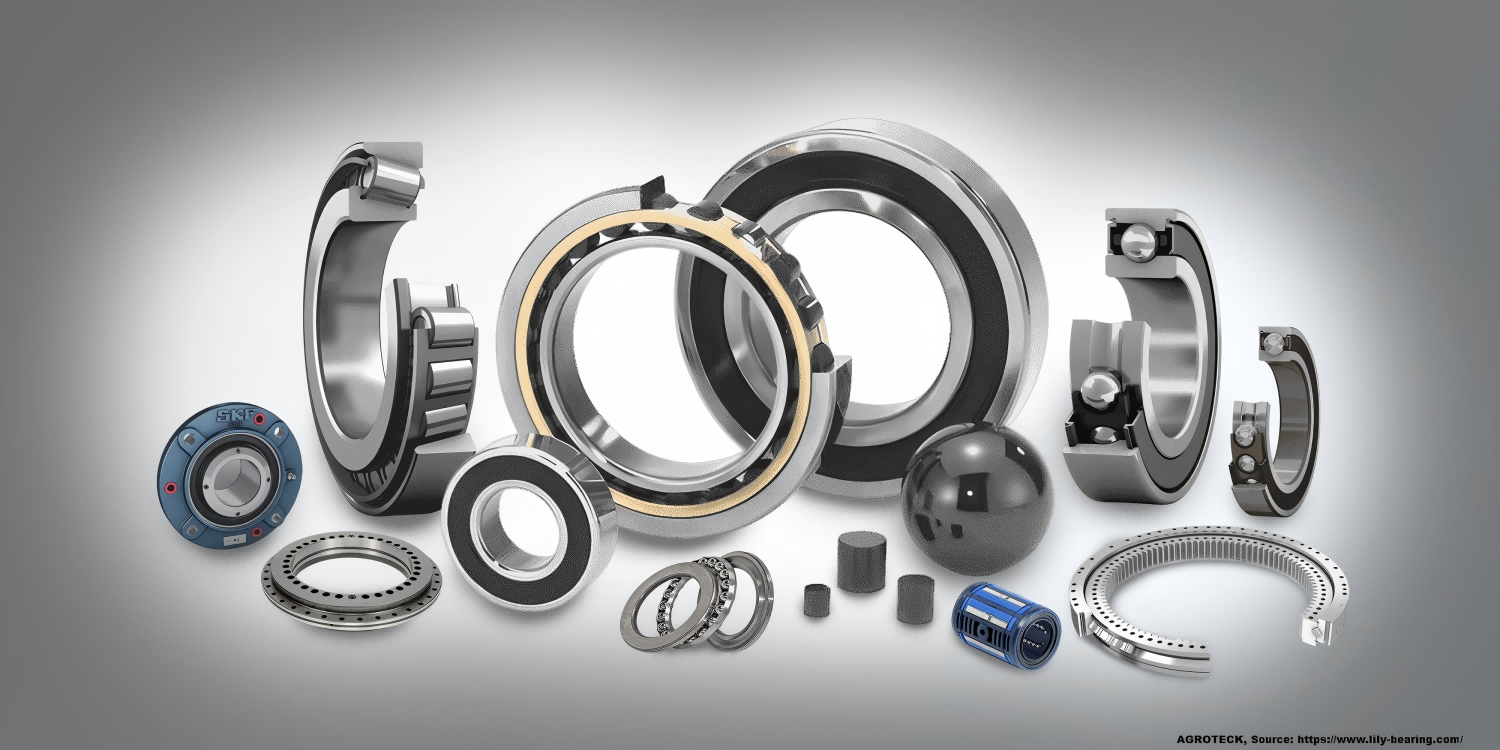
Bearings are installed in multiple critical systems of a large square baler, including drive shafts, pickup assemblies, knotter systems, and flywheel support structures.
Key selection factors:
1. High Load Capacity for Continuous Operation
Large square balers generate repeated shock loads during bale compression. Bearings must withstand both radial and axial forces under continuous operation.
2. Sealing System for Dust and Crop Residue Protection
Field environments contain dust, straw, and moisture. High-quality sealing prevents contamination and extends bearing life.
3. Agricultural Grade Durability
Bearings designed for agricultural machinery must handle vibration, shock loads, and long working hours during harvest season.
4. Heat Resistance and Stable Lubrication
Continuous operation can generate high temperatures, making lubrication stability critical for long-term performance.
Common Symptoms of Bearing Failure in Square Balers
Operators should regularly inspect bearings during the working season. Early detection helps prevent major machine damage.
Typical failure signs include:
- Abnormal noise or grinding sound
- Excessive heat during operation
- Vibration in rotating components
- Grease leakage or dry seals
- Shaft misalignment or looseness
Why Chains Are Critical in Large Square Balers
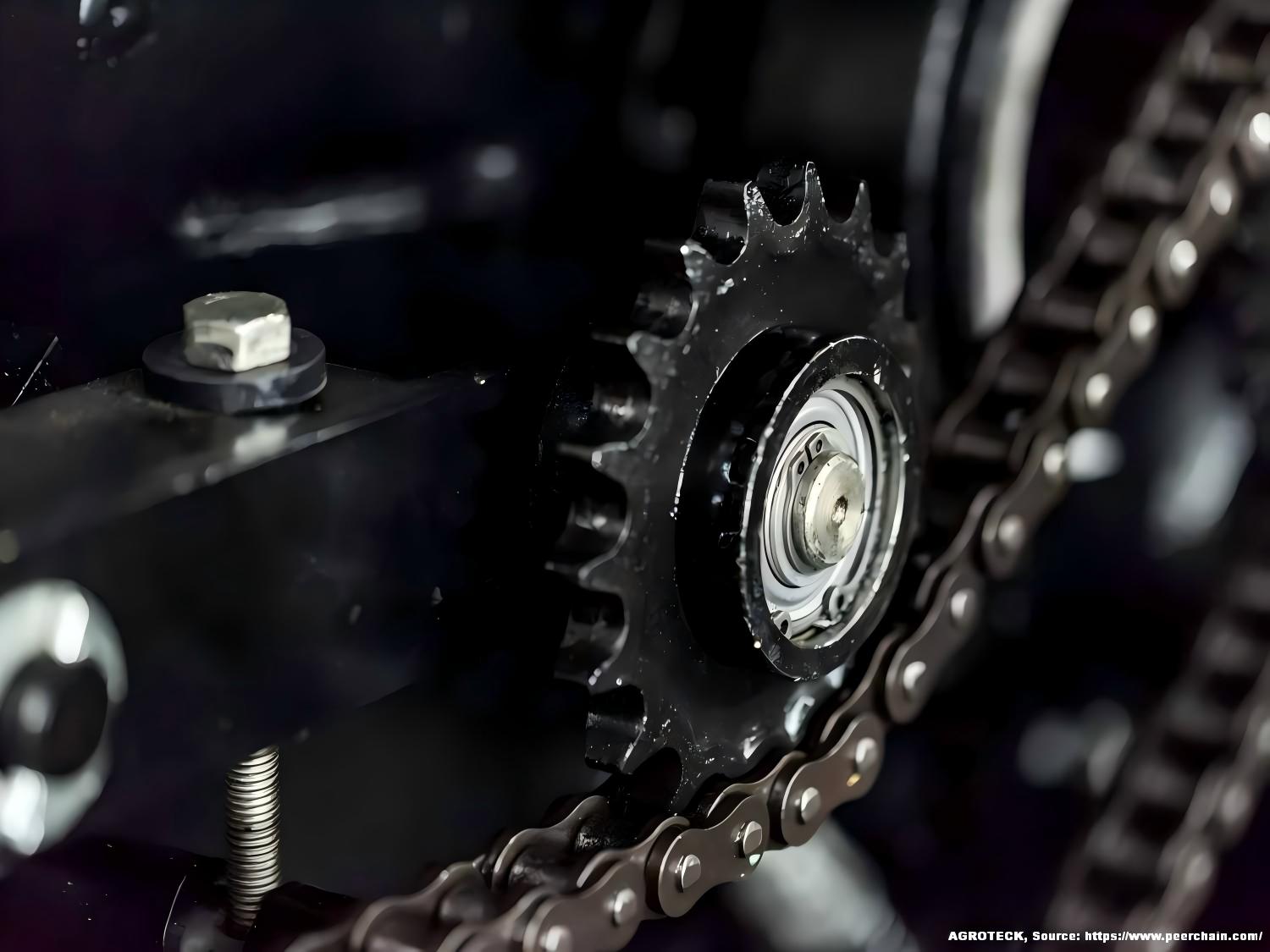
Chains are responsible for transmitting power between key mechanical systems, including knotters, pickups, and drive assemblies.
Because of high torque and shock loads, chain wear is one of the most common maintenance issues in balers.
Key chain selection factors:
1. High Tensile Strength for Shock Loads
Chains must handle sudden load spikes during dense bale formation.
2. Wear Resistance and Heat Treatment Quality
Heat-treated steel chains provide better durability and reduced elongation over time.
3. Correct Pitch and Precision Fitment
Improper chain sizing can affect synchronization between mechanical systems.
4. Compatibility with Sprockets and Drive Components
Worn sprockets can accelerate chain wear, so both should be inspected together.
Chain Maintenance Best Practices for Longer Service Life
Proper maintenance can significantly reduce breakdown risks during harvest season.
Recommended practices:
- Regularly check chain tension and alignment
- Maintain proper lubrication schedule
- Replace stretched or damaged chains immediately
- Inspect sprocket wear during each maintenance cycle
- Avoid running chains with excessive slack or over-tight tension
In most cases, replacing chains and sprockets together ensures optimal performance and reduces future maintenance costs.
OEM vs Aftermarket Bearings and Chains
Operators usually choose between OEM parts and aftermarket alternatives.
OEM parts provide guaranteed compatibility and factory specifications.
Aftermarket parts can offer a more cost-effective solution while still delivering reliable performance when sourced from qualified manufacturers.
The key factor is consistent quality control and suitability for agricultural working environments.
Preventive Maintenance Tips for Large Square Balers
Preventive maintenance is the most effective way to avoid unexpected breakdowns during the harvesting season.
Best practices include:
- Inspect bearings before peak season begins
- Monitor chain elongation regularly
- Keep lubrication systems clean and functional
- Replace worn parts before failure occurs
- Check alignment of all rotating systems
Conclusion
Bearings and chains are critical components in large square balers and directly affect machine performance and uptime. Choosing the right parts and following a preventive maintenance schedule can significantly reduce downtime and improve operational efficiency during the harvest season.
For operators and service providers, understanding bearing selection, chain wear patterns, and maintenance best practices is essential for long-term cost control and machine reliability.