
PICK UP WITHOUT BANDS ???
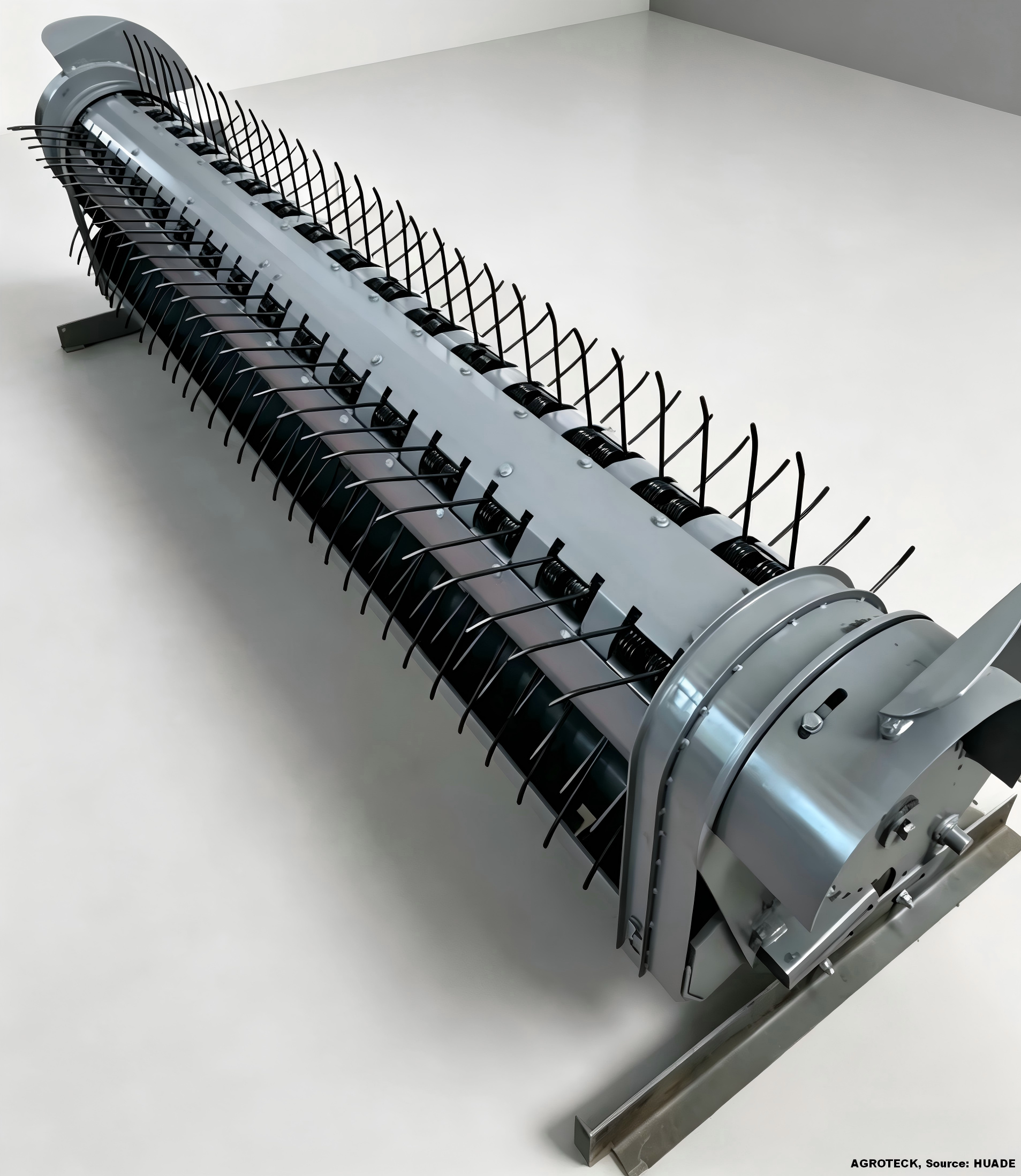
Guardless Pickup vs Traditional Pickup Band Design: Structural Comparison and Industry Final Choice
In recent years, a new design concept has attracted attention in the agricultural machinery industry — the guardless pickup system, where the traditional pickup bands are partially or completely removed from the pickup assembly.
Supporters of this design argue that a more open pickup structure can improve crop flow and simplify maintenance. However, traditional pickup band systems remain the dominant choice among major baler manufacturers worldwide.
So, which design offers the better solution in real field conditions?
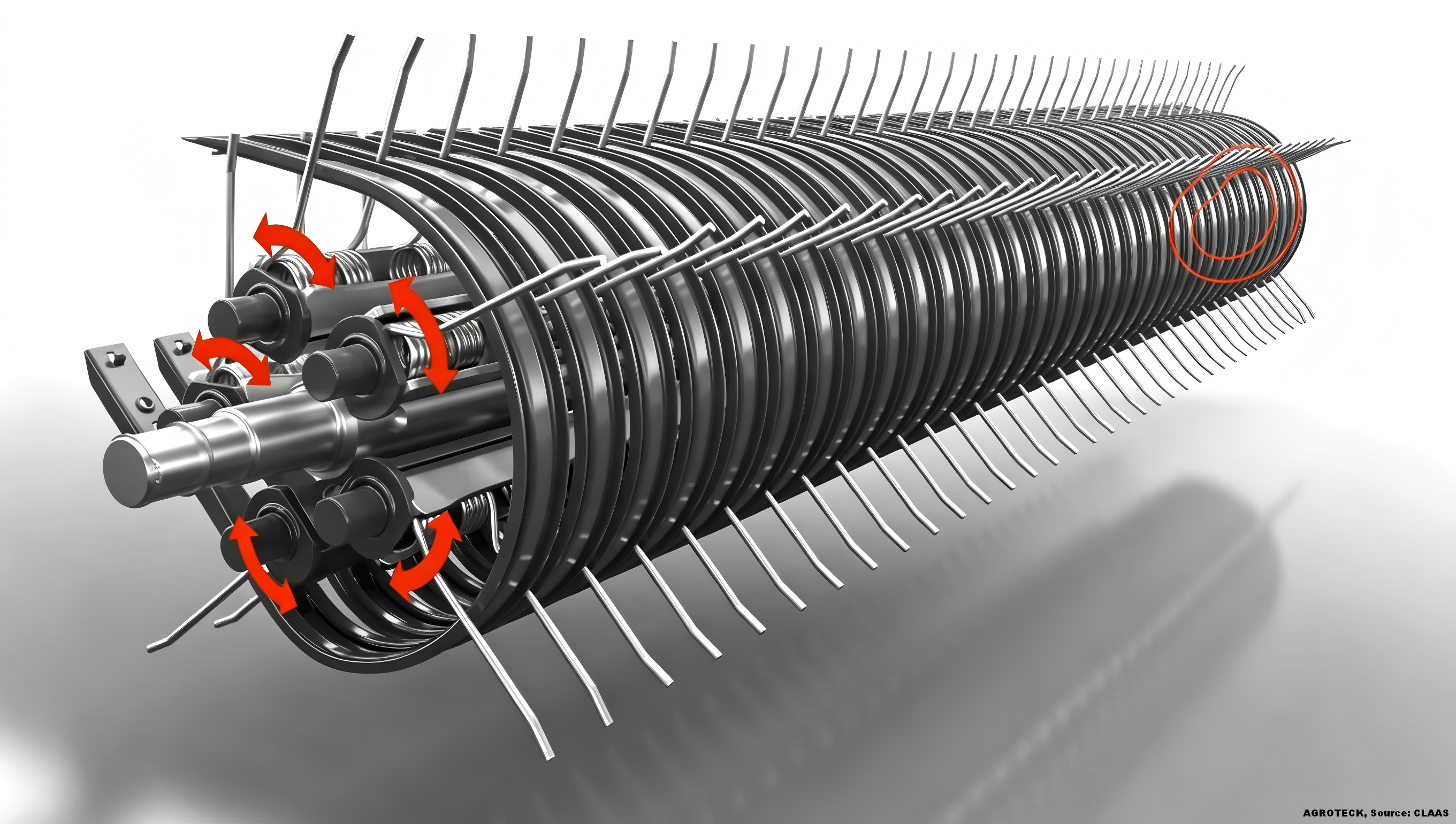
Traditional Pickup Band Design: Why It Became the Industry Standard
For decades, pickup bands have been a key component of pickup assemblies used on square balers and round balers.
Although often viewed as a simple supporting structure, pickup bands play several important roles:
- Guiding crop flow into the feeding system
- Controlling lateral movement of crop material
- Maintaining a consistent pickup width
- Helping ensure smooth and stable feeding
- Protecting pickup tines from excessive deflection
In practice, pickup bands act as a crop control system, helping maintain predictable material flow under varying field conditions.
The Concept Behind Guardless Pickups
A guardless pickup removes some or all pickup bands to create a more open structure around the pickup tines.
The main objectives are:
Simpler Construction
Fewer structural components can reduce manufacturing complexity and potentially lower production costs.
More Open Crop Flow
With fewer physical barriers, crop material may enter the pickup area more freely.
Easier Access for Cleaning and Maintenance
An open design can make it easier to inspect and clean certain areas of the pickup assembly.
These advantages are particularly noticeable under ideal operating conditions with clean, dry, and uniform windrows.
Challenges of Guardless Pickup Designs
While the concept appears attractive, real-world field conditions often present additional challenges.
Reduced Crop Guidance
Without pickup bands, crop material has fewer boundaries to control its movement.
As a result:
- Crop flow may become less consistent
- Windrow material can spread sideways
- Feeding uniformity may decrease
This becomes more noticeable when working with uneven windrows or changing field conditions.
Greater Sensitivity to Crop Conditions
Guardless pickups generally rely more heavily on:
- Uniform windrow formation
- Consistent crop density
- Proper moisture levels
When conditions are less than ideal, maintaining smooth crop flow can become more difficult.
Material Wrapping Can Shift to Other Areas
Removing pickup bands may reduce certain accumulation points, but crop material can still wrap around:
- Tine bars
- Shafts
- Bearings
- Drive components
In many cases, the wrapping issue is relocated rather than completely eliminated.
Less Structural Control of Crop Flow
Traditional pickup bands help keep crop material within a defined path as it moves toward the feeding system.
Without this guidance, crop movement can become more variable, particularly at higher operating speeds.
Why Most Manufacturers Still Use Pickup Bands
Despite ongoing experimentation with alternative pickup concepts, most leading baler manufacturers continue to utilize pickup band systems.
The primary reason is reliability.
Pickup bands help provide:
- Stable feeding performance
- Better adaptability to different crop types
- Improved performance in uneven field conditions
- More predictable material flow
- Greater tolerance for operator and field variations
Rather than eliminating pickup bands entirely, many manufacturers focus on optimizing their shape, spacing, and geometry to improve crop flow while maintaining control.
Industry Trend: Optimization Rather Than Elimination
Modern pickup development is generally moving toward:
- Improved crop flow efficiency
- Reduced crop accumulation points
- Enhanced pickup tine performance
- Better feeding consistency
However, these improvements are typically achieved through refined pickup band designs rather than complete removal of the bands.
The goal is to balance openness and crop control, rather than choosing one at the expense of the other.
Conclusion
Guardless pickup systems offer an interesting alternative approach and may provide benefits in specific operating conditions. Their simplified structure and open design can be attractive from both manufacturing and maintenance perspectives.
However, agricultural field conditions are rarely uniform. Variations in crop density, moisture, windrow quality, and operating speed require consistent crop guidance and feeding stability.
For this reason, the industry's long-term preference remains clear:
Guardless pickups prioritize structural simplicity, while traditional pickup band systems prioritize crop control and operational reliability.
As a result, most commercial baler manufacturers continue to rely on pickup band designs as the most practical and proven solution for consistent field performance.